In the 1860s, Jean-Baptiste-Camille Corot (1796-1875) became interested in photography, taking photos himself and becoming acquainted with many early photographers, which had the effect of suppressing his painting palette even more in sympathy with the monochromatic tones of photographs.
This had the result of making his paintings even less dramatic but somewhat more poetic, a result which caused some critics to cite a monotony in his later work.
In the 1860s, Jean-Baptiste-Camille Corot (1796-1875) became interested in photography, taking photos himself and becoming acquainted with many early photographers, which had the effect of suppressing his painting palette even more in sympathy with the monochromatic tones of photographs.
This had the result of making his paintings even less dramatic but somewhat more poetic, a result which caused some critics to cite a monotony in his later work.
"La Madonna Sistina" è un dipinto a olio su tela (265x196 cm) di Raffaello, databile al 1513-1514 circa e conservato nella Gemäldegalerie di Dresda.
Insolito per Raffaello in quegli anni è il supporto su tela, che ha dato adito a varie ipotesi: secondo Rumohr l'opera era destinata anche ad essere usata come stendardo processionale. La datazione si basa su dati stilistici ed è in genere legata ai primi anni del pontificato di Leone X, prima dell'Estasi di Santa Cecilia.
Vasari testimonia come l'opera fosse stata dipinta per il convento di San Sisto a Piacenza, come conferma la presenza di due santi ivi particolarmente venerati.
"La Madonna Sistina" è un dipinto a olio su tela (265x196 cm) di Raffaello, databile al 1513-1514 circa e conservato nella Gemäldegalerie di Dresda.
Insolito per Raffaello in quegli anni è il supporto su tela, che ha dato adito a varie ipotesi: secondo Rumohr l'opera era destinata anche ad essere usata come stendardo processionale. La datazione si basa su dati stilistici ed è in genere legata ai primi anni del pontificato di Leone X, prima dell'Estasi di Santa Cecilia.
Vasari testimonia come l'opera fosse stata dipinta per il convento di San Sisto a Piacenza, come conferma la presenza di due santi ivi particolarmente venerati.
Chen's works considered a unique combination of both Western and Eastern influences. Chen's style combines the realism associated with European art styles, with Eastern subject matter and themes close to the artist's history.
One such example of this unique blend is his painting Poppy which derives its content from a Tang dynasty song about a woman who solemnly questions her fate.
Chen's works considered a unique combination of both Western and Eastern influences. Chen's style combines the realism associated with European art styles, with Eastern subject matter and themes close to the artist's history.
One such example of this unique blend is his painting Poppy which derives its content from a Tang dynasty song about a woman who solemnly questions her fate.
Dal 1828 al 1834 il pittore Francese Jean-Baptiste Camille Corot (Parigi, 1796-1875) si occupò principalmente di rielaborare gli schizzi eseguiti durante il viaggio in Italia secondo canoni classicheggianti, così da poterli esporre ai Salon parigini e, eventualmente, fare furore con un pubblico e una giuria ancora vicini alla sensibilità neoclassica.
Un esempio di questi saggi è Il ponte di Narni (1826), opera in cui riprese il bozzetto di un acquedotto romano diroccato e lo trasformò in uno scenario pastorale falsamente idillico con l'aggiunta di grandi alberi frondosi e immense distese di prati.
Dal 1828 al 1834 il pittore Francese Jean-Baptiste Camille Corot (Parigi, 1796-1875) si occupò principalmente di rielaborare gli schizzi eseguiti durante il viaggio in Italia secondo canoni classicheggianti, così da poterli esporre ai Salon parigini e, eventualmente, fare furore con un pubblico e una giuria ancora vicini alla sensibilità neoclassica.
Un esempio di questi saggi è Il ponte di Narni (1826), opera in cui riprese il bozzetto di un acquedotto romano diroccato e lo trasformò in uno scenario pastorale falsamente idillico con l'aggiunta di grandi alberi frondosi e immense distese di prati.
Holly Crocker Garcia explored different art forms including music, ballet, drawing, photography, book illustration and sculpture.
However, after a course in sculpting technique at Silvermine Guild School of the Arts in New Canaan, Connecticut, she realized that sculpting was her primary love and subsequently attended Rhode Island School of Design in Providence, Rhode Island.
Holly Crocker Garcia explored different art forms including music, ballet, drawing, photography, book illustration and sculpture.
However, after a course in sculpting technique at Silvermine Guild School of the Arts in New Canaan, Connecticut, she realized that sculpting was her primary love and subsequently attended Rhode Island School of Design in Providence, Rhode Island.
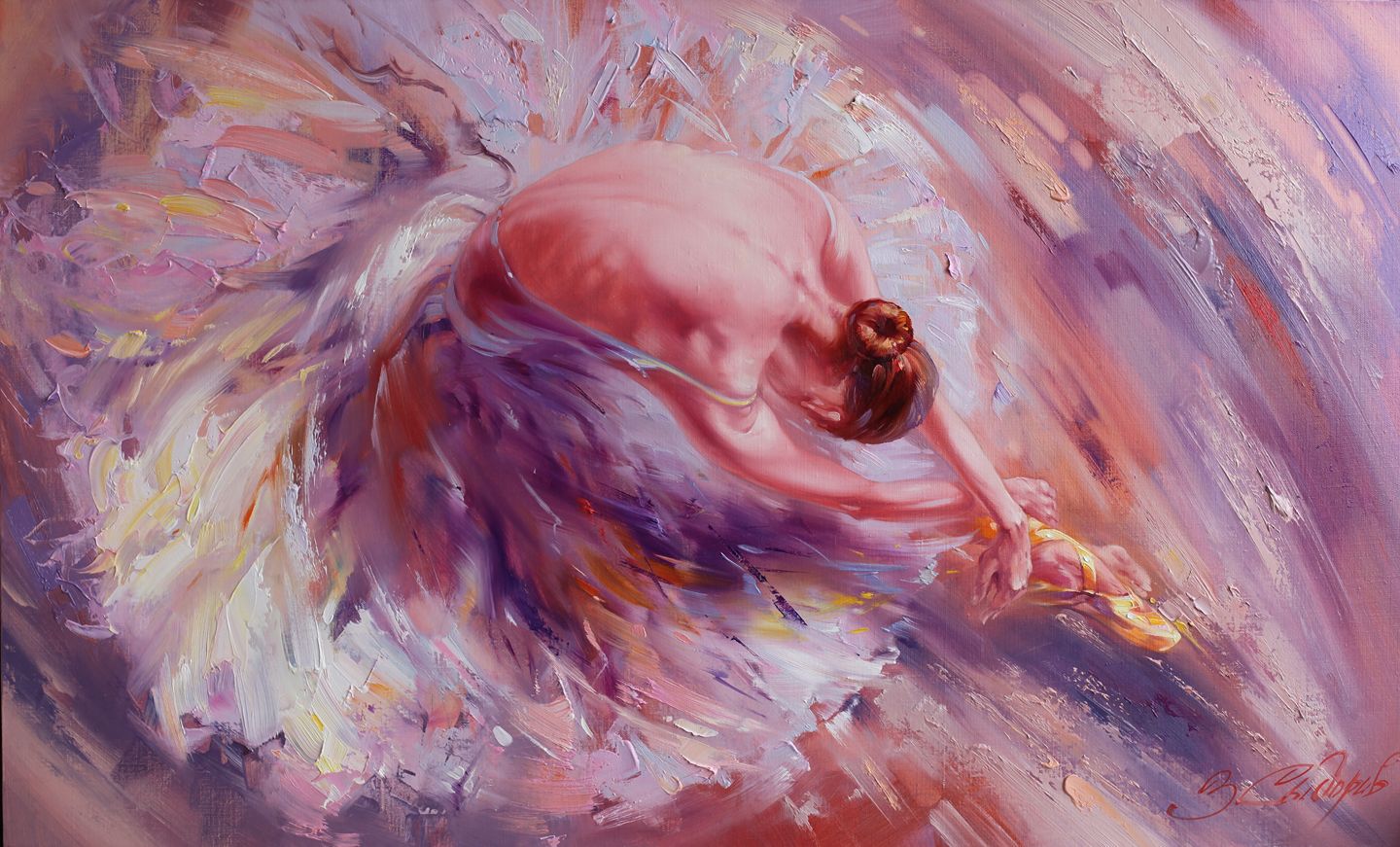
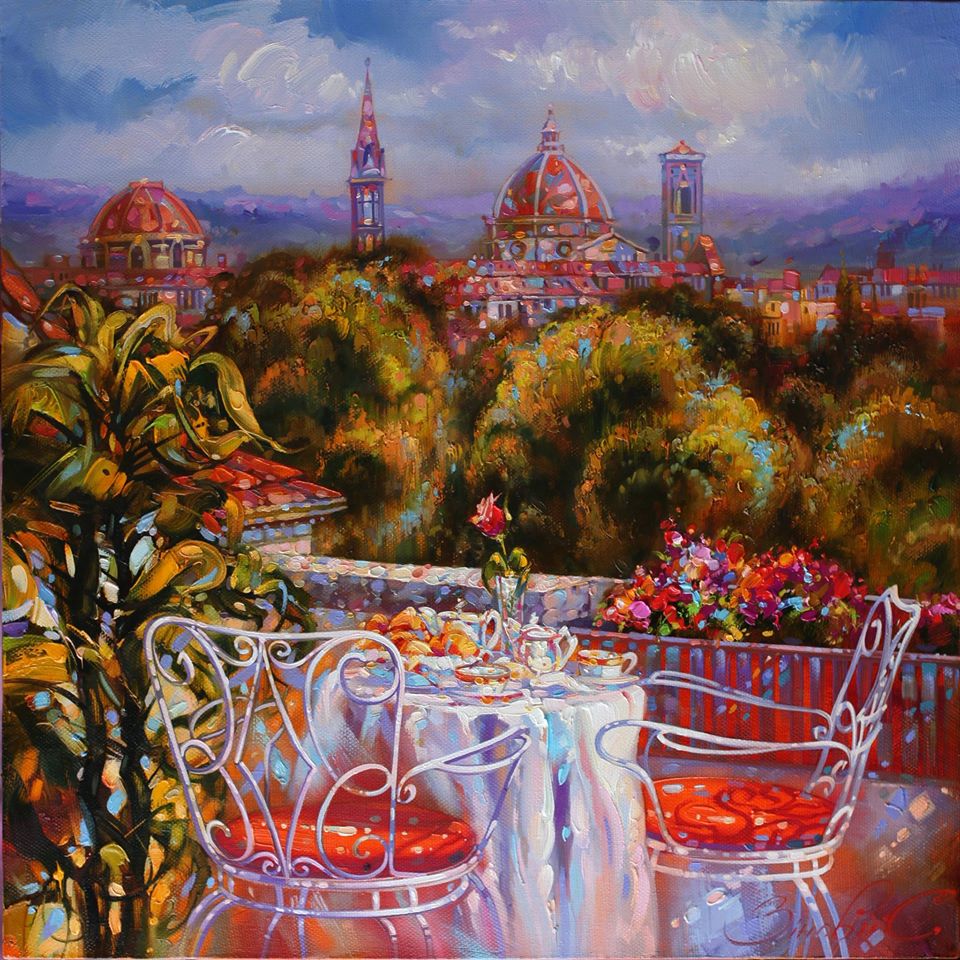
Зиновий Сыдорив was born in Ivano-Frankivsk, Western Ukraine. Since 1987 lives and works in Tver. Graduated from Tver art College named. A. G. Venetsianova, at the Department of decoration.
Participant of a number of art exhibitions in Moscow, Tver and abroad.
Sydoriv is a member of the Union of free Artists of St. Petersburg.
Many works of Zinovy Sydoriv are in galleries and private collections in England, Austria, Switzerland, Norway, Germany, France, USA.
Зиновий Сыдорив was born in Ivano-Frankivsk, Western Ukraine. Since 1987 lives and works in Tver. Graduated from Tver art College named. A. G. Venetsianova, at the Department of decoration.
Participant of a number of art exhibitions in Moscow, Tver and abroad.
Sydoriv is a member of the Union of free Artists of St. Petersburg.
Many works of Zinovy Sydoriv are in galleries and private collections in England, Austria, Switzerland, Norway, Germany, France, USA.