Textual description of firstImageUrl

Edgar Lee Masters | Silence / Il silenzio

Edgar Lee Masters (1868-1950) was an American attorney, poet, biographer, and dramatist.
He is the author of Spoon River Anthology, The New Star Chamber and Other Essays, Songs and Satires, The Great Valley, The Serpent in the Wilderness, An Obscure Tale, The Spleen, Mark Twain: A Portrait, Lincoln: The Man and Illinois Poems.
In all, Masters published twelve plays, twenty-one books of poetry, six novels and six biographies, including those of Abraham Lincoln, Mark Twain, Vachel Lindsay and Walt Whitman.
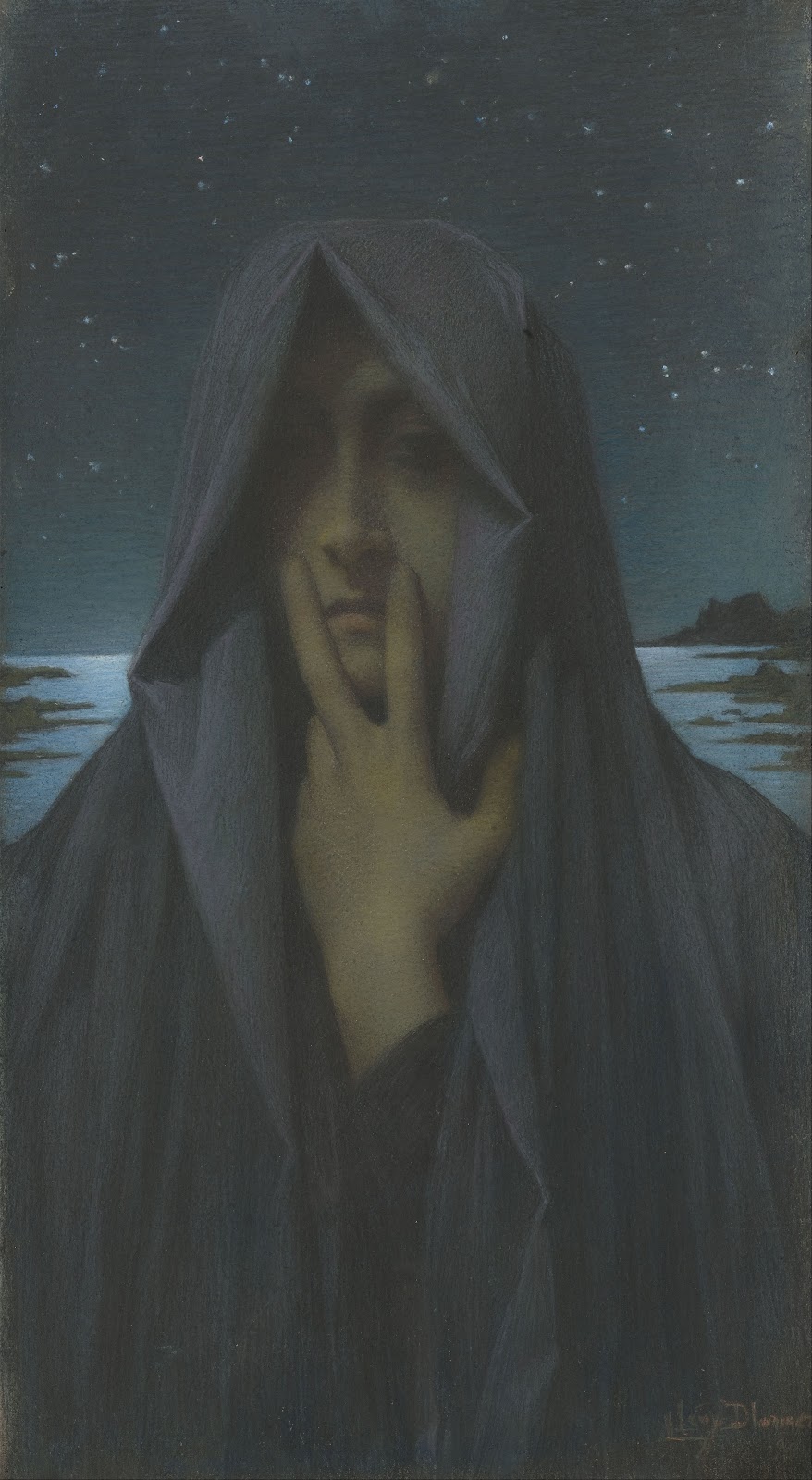
Lucien Lévy Dhurmer (French Art Nouveau painter, 1865-1953) | Le Silence, 1895 | Musée d’Orsay, Paris
Textual description of firstImageUrl

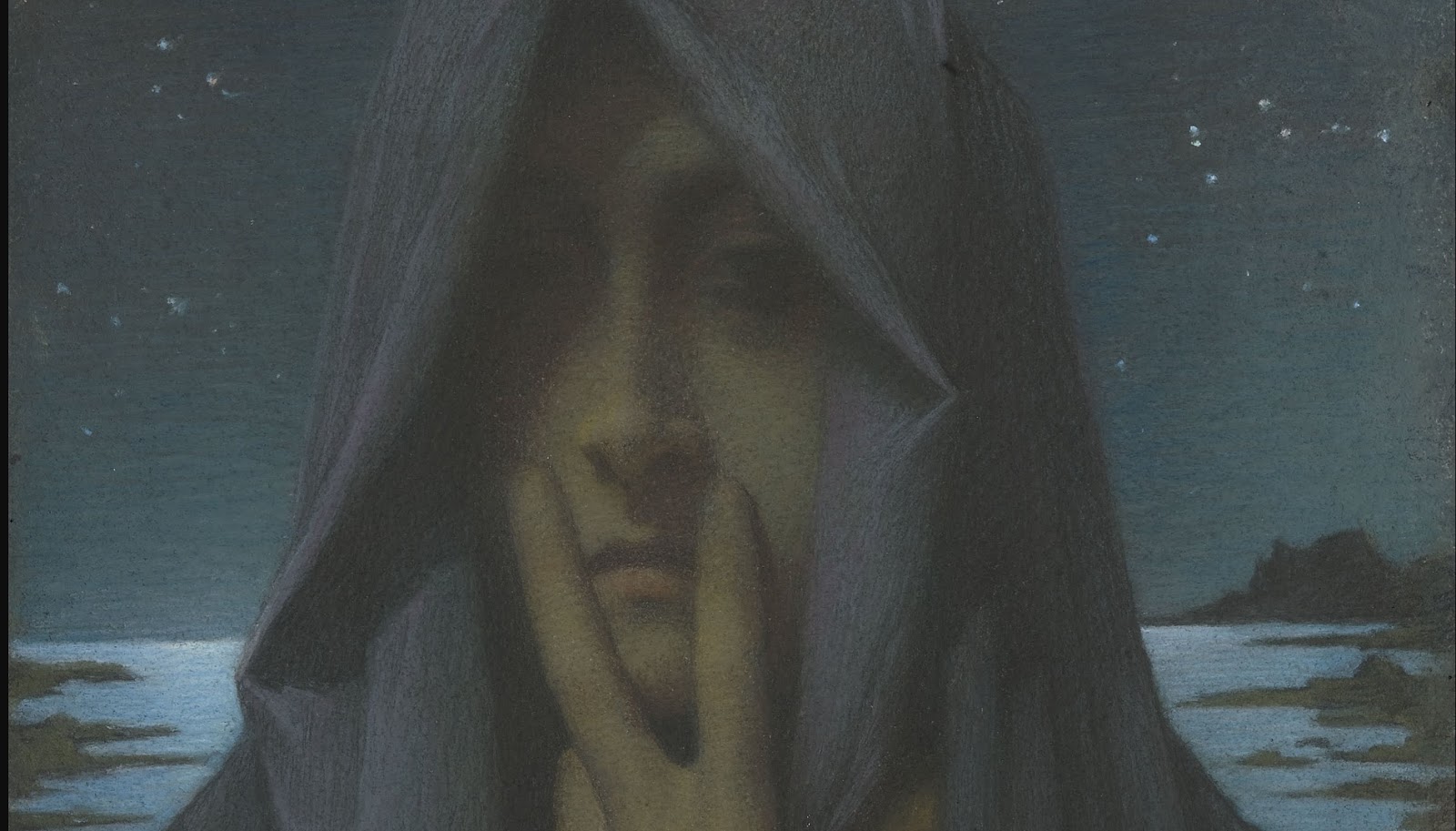
Lucien Lévy-Dhurmer | Le Silence, 1895

"Le Silence", a picture that Levy-Dhurmer kept throughout his life, is without doubt one of his most fascinating works.
It has the suggestive power of an icon, an image that is all the more compelling for being presented as an enigma: fixed in a hieratic pose, with eyes hidden in shadow, the figure eludes all explanation.
Solid and immobile, it keeps what we imagine to be the secret of its mourning to itself.
The long, falling folds, enhanced by the vertical format, cannot but evoke both physical gravity (from which it is impossible to escape) and moral gravity.


Textual description of firstImageUrl

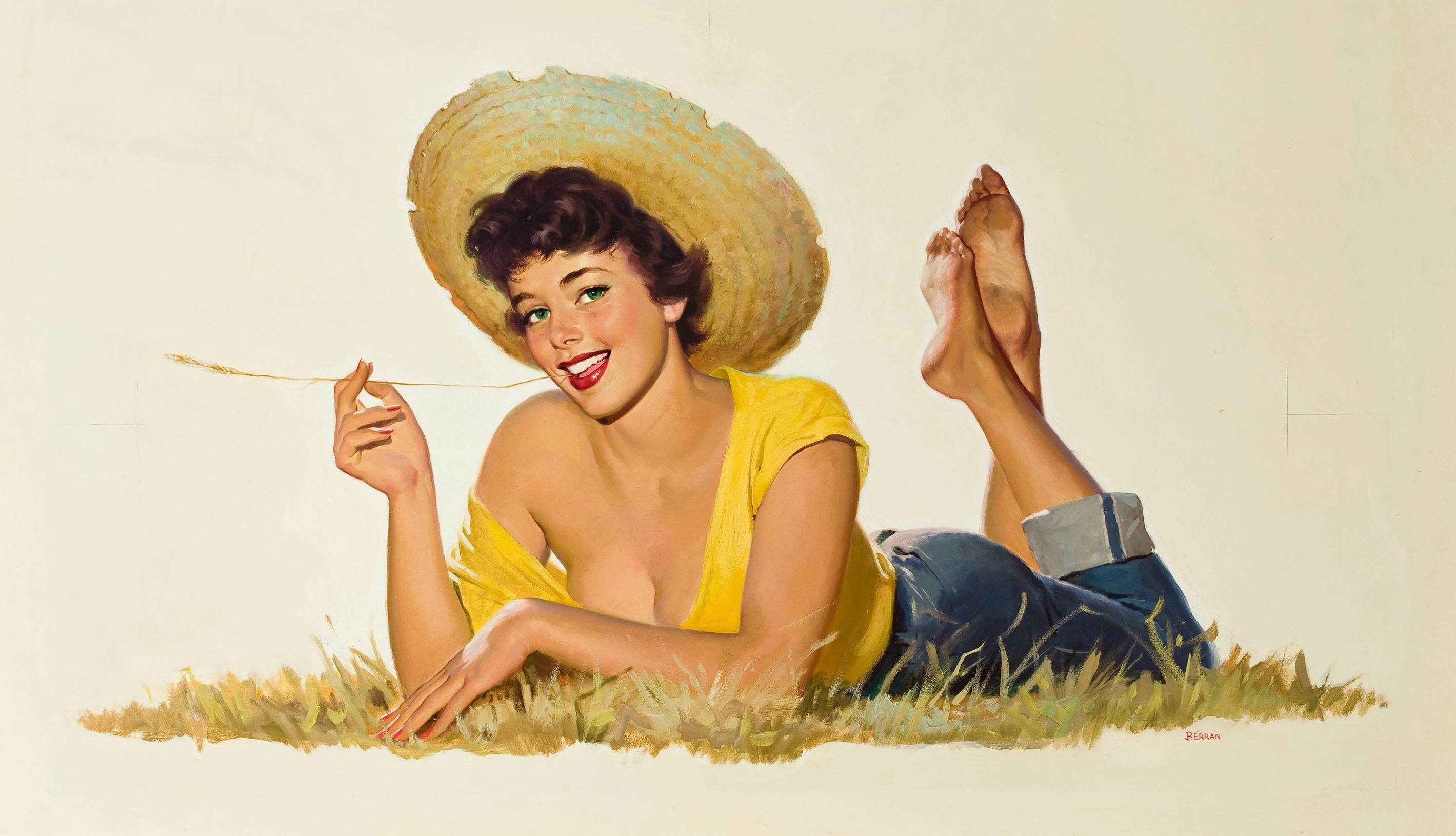
Robert Lee Berran (1923-2020)


Robert Lee Berran è nato a Mt. Vernon, NY, il 24 dicembre 1923 ed è cresciuto a Scarsdale, NY. Tra i 19-22 anni prestò servizio come medico durante la seconda guerra mondiale sotto il terzo esercito del generale Patton in Europa.
Dopo la guerra ha studiato alla Art Students League di New York dal 1947-1950.
Dopo aver lasciato l'Art Students League, ha dipinto i poster dei film per la 20th Century Fox.
Quattro anni dopo è entrato a far parte del gruppo degli illustratori, dove gli artisti provenivano prevalentemente dalla Haddon Sundbloom School of Painting.
Il suo lavoro presso il Gruppo Illustratori era per clienti prestigiosi come Ford e Coca-Cola. Successivamente Bob ha illustrato per gli Avventisti del Settimo Giorno per la loro serie di libri per bambini "I miei amici biblici" che sono ancora popolari oggi.

Textual description of firstImageUrl

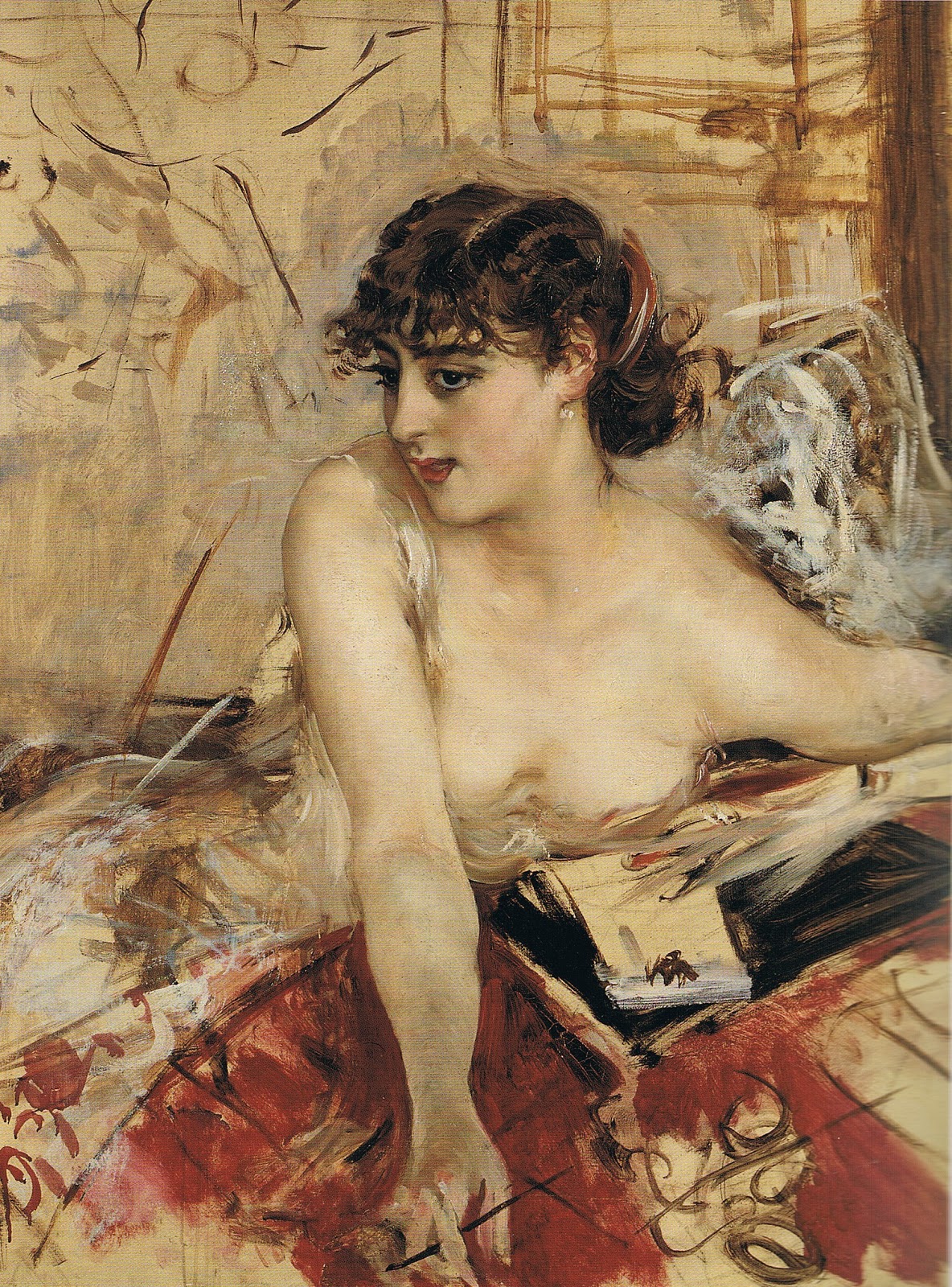
Rabindranath Tagore | Al risveglio

Govanni Boldini🎨 | La lettera mattutina


Al risveglio ho trovato
con la luce una lettera.
Ma non posso sapere
che dice: non so leggere.

E non voglio distrarre
un sapiente dai libri:
ciò che c’è scritto forse
non lo saprebbe leggere.

I woke and found his letter with the morning.
I do not know what it says, for I cannot read.
I shall leave the wise man alone with his books,
I shall not trouble him, for who knows if he can read what the letter says.

Textual description of firstImageUrl

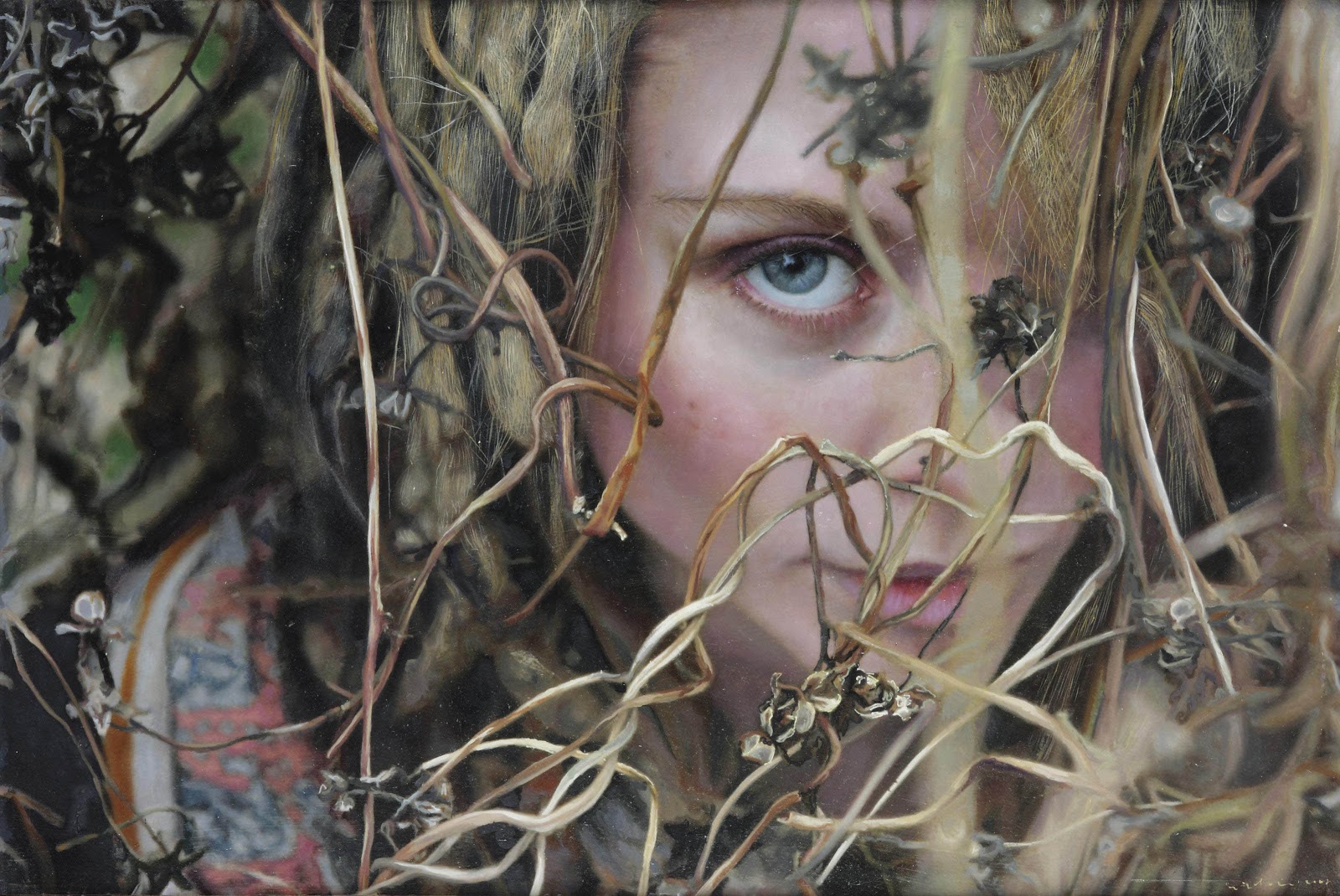
Yigal Ozeri, 1958 | Photorealist painter


New York City based Israeli artist Yigal Ozeri is best known for his large-scale cinematic portraits of distinctive young women in rich prodigious landscapes.
With tinges of Pre-Raphaelite aesthetics, Ozeri brings an ethereal and uninhibited sensibility to his paintings.
His portraits denote art historical foundations in romanticism, while also offering contemporary notions of sensual femininity.

Textual description of firstImageUrl

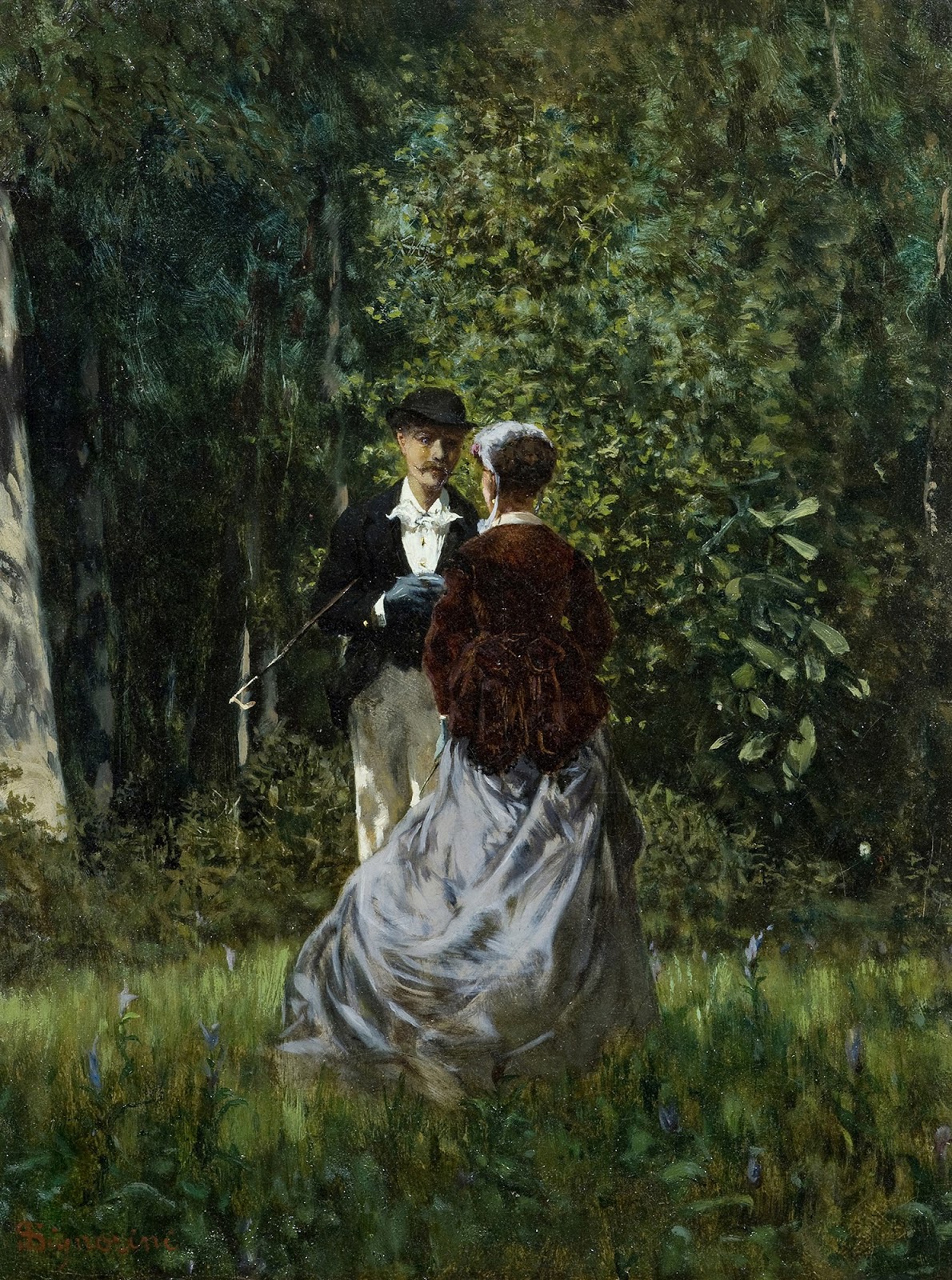
E. E. Cummings | I carry your heart with me / Il tuo cuore lo porto con me, 1958

Telemaco Signorini (1835-1901)🎨 | Settignano, Rendez vous in the woods, 1873

I carry your heart with me (i carry it in
my heart) i am never without it (anywhere
i go you go, my dear; and whatever is done
by only me is your doing, my darling).

Il tuo cuore lo porto con me (lo porto
nel mio) non me ne divido mai (dove vado io
vieni anche tu, mia amata; e qualsiasi cosa
sia fatta da me, la fai anche tu, mia diletta).

Textual description of firstImageUrl

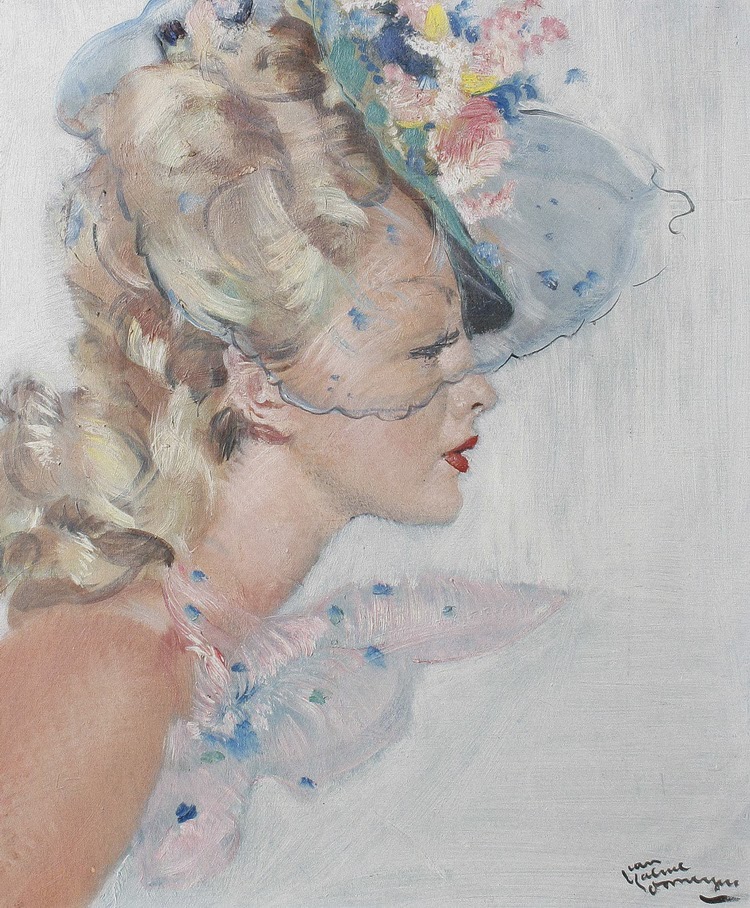
Jean-Gabriel Domergue e la Moda

Per il pittore e lo stilista Francese Jean-Gabriel Domergue, ciò che contava di più era che la forma della donna sia rispettata.

"Finché il couturier è disposto ad ammettere che le donne hanno un corpo, che l'abito è fatto per il corpo e non il corpo per il vestito, allora la moda è bella e tutto va bene.
Bisogna essere in grado di indovinare la forma della donna attraverso il tessuto e sentire che è in grado di muoversi liberamente.
Il movimento è ciò che conferisce alle linee la loro bellezza, la loro pienezza, la loro grazia. È il movimento, non l'immobilità, che la anima e la anima.
Amo la moda che, non solo permette la flessibilità del corpo della donna, ma la richiede".

Nonostante la sua formazione classica, Jean-Gabriel Domergue (1889-1962) fu sensibile agli sconvolgimenti della sua epoca ed alle tendenze che ne hanno dato origine.